

Blog
The Rise of Clean Beauty in 2026: Redefining Standards in the Global Beauty Industry

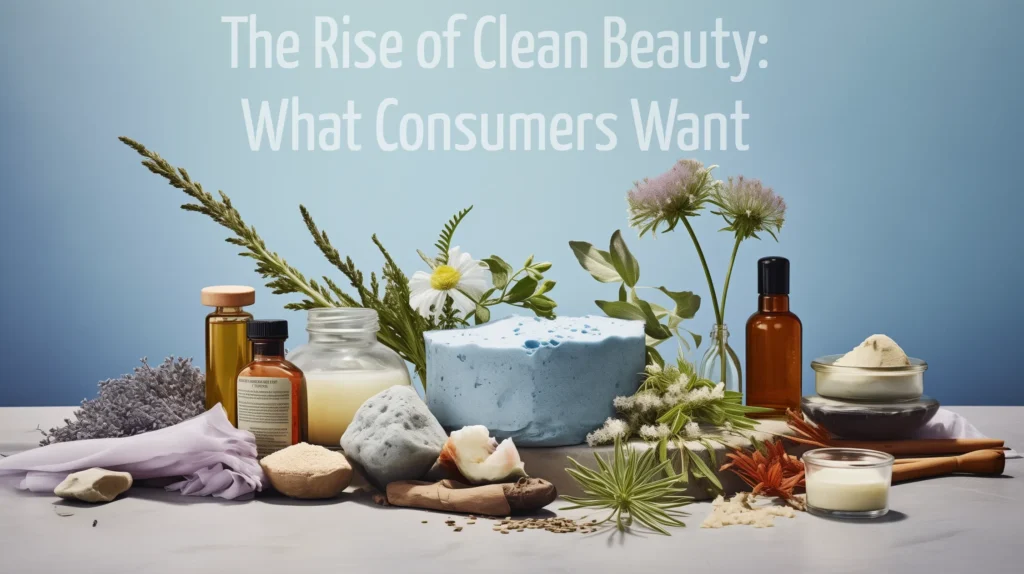
As the beauty industry moves deeper into 2026, consumer expectations have evolved beyond aesthetics alone. Today’s shoppers are demanding products that protect their health, respect the planet, and uphold ethical values. This shift has firmly positioned clean beauty as more than a trend—it is now a defining standard across the global beauty market.
Clean beauty centers on the use of safe, non-toxic ingredients, environmentally responsible packaging, and ethically sourced materials. What began as a niche movement has matured into a powerful force reshaping how beauty brands formulate, market, and operate. This article explores the key drivers behind the continued rise of clean beauty in 2026, what modern consumers expect, and how brands can remain relevant in this new era.
The Expanding Demand for Clean Beauty
The Educated, Health-First Consumer
In 2026, consumers are more educated and ingredient-savvy than ever. Easy access to research, ingredient databases, and dermatologist-backed content has empowered shoppers to scrutinize product labels closely. There is a strong preference for formulations free from parabens, sulfates, phthalates, formaldehyde releasers, and synthetic fragrances.
Clean beauty products—often formulated with plant-based, bio-identical, or responsibly engineered ingredients—are viewed as safer, gentler, and better aligned with long-term skin health. This health-first mindset continues to drive demand across skincare, cosmetics, haircare, and wellness categories.
Sustainability as a Purchase Driver
Environmental responsibility is no longer optional—it is a core purchasing factor. In 2026, consumers actively seek brands that demonstrate measurable sustainability efforts, from carbon reduction to responsible sourcing. Clean beauty buyers expect transparency around environmental impact, favoring brands that minimize waste, conserve resources, and invest in regenerative practices.
Sustainability has become a trust signal, with eco-conscious brands earning stronger loyalty and advocacy.
Defining Clean Beauty Standards in 2026
Radical Ingredient Transparency
Transparency has evolved into a baseline expectation. Consumers want full disclosure—not just ingredient lists, but explanations of ingredient purpose, origin, and safety. Vague labeling practices are increasingly rejected.
In 2026, leading clean beauty brands go beyond compliance by offering digital ingredient breakdowns, sourcing maps, and third-party testing verification. Cruelty-free status, ethical labor practices, and traceable supply chains are now integral to brand credibility.
Next-Generation Sustainable Packaging
Packaging innovation has accelerated significantly. Eco-friendly packaging is no longer limited to recyclability—it now includes refill systems, mono-material designs, compostable solutions, and reusable containers built for longevity.
Brands in 2026 are judged not only by what’s inside the bottle, but by how responsibly that bottle is designed, produced, and reused. Minimalism, functionality, and waste reduction dominate packaging strategies.
Ethical and Responsible Sourcing
Ethical sourcing has become inseparable from the clean beauty identity. Consumers expect brands to protect biodiversity, support fair wages, and partner responsibly with farming communities and ingredient suppliers.
Traceability technologies allow brands to verify ethical practices across their supply chains, ensuring ingredients are sourced with respect for people, animals, and ecosystems.
Trends Shaping Clean Beauty’s Future
Breakthroughs in Clean Ingredient Innovation
Scientific advancement continues to push clean beauty forward. In 2026, innovation blends nature and science through bio-fermentation, lab-grown actives, and green chemistry techniques. These methods deliver high-performance results while maintaining strict safety and sustainability standards.
The focus has shifted from “natural only” to clean and effective, redefining what modern clean formulations can achieve.
Personalized Clean Beauty Experiences
Personalization has reached new heights. Consumers now expect products tailored to their skin biology, environment, lifestyle, and preferences. Clean beauty brands are using AI diagnostics, skin microbiome analysis, and adaptive formulations to deliver customized routines without compromising ingredient integrity.
This shift enhances consumer trust while reducing product waste and overconsumption.
Stronger Regulations and Global Standards
With the growth of clean beauty, regulatory oversight has strengthened. In 2026, clearer definitions, global certifications, and stricter compliance frameworks help protect consumers from misleading claims.
Standardized clean beauty certifications now play a critical role in guiding purchasing decisions and reinforcing brand accountability.
Conclusion
The evolution of clean beauty in 2026 reflects a deeper cultural shift toward conscious living. Health, sustainability, transparency, and ethics are no longer differentiators—they are expectations. Consumers are holding brands accountable, and only those willing to innovate responsibly will thrive.
For beauty brands, embracing clean beauty is not about following trends—it is about future-proofing their business. By aligning with consumer values and committing to higher standards, brands can lead the industry toward a more responsible, trustworthy, and sustainable future.
Clean beauty is no longer the future of beauty—it is the present.